
MATERIALS ENGINEERING
Materials development and engineering form the scientific and technological core of QUANTUMAT. This department translates application requirements into material compositions, structures and processing routes, delivering functional materials, engineered components and processes. It supports client projects and our own technology programmes, working directly with the Energy Storage and Quantum departments on the materials that underpin their devices.
Materials in Focus
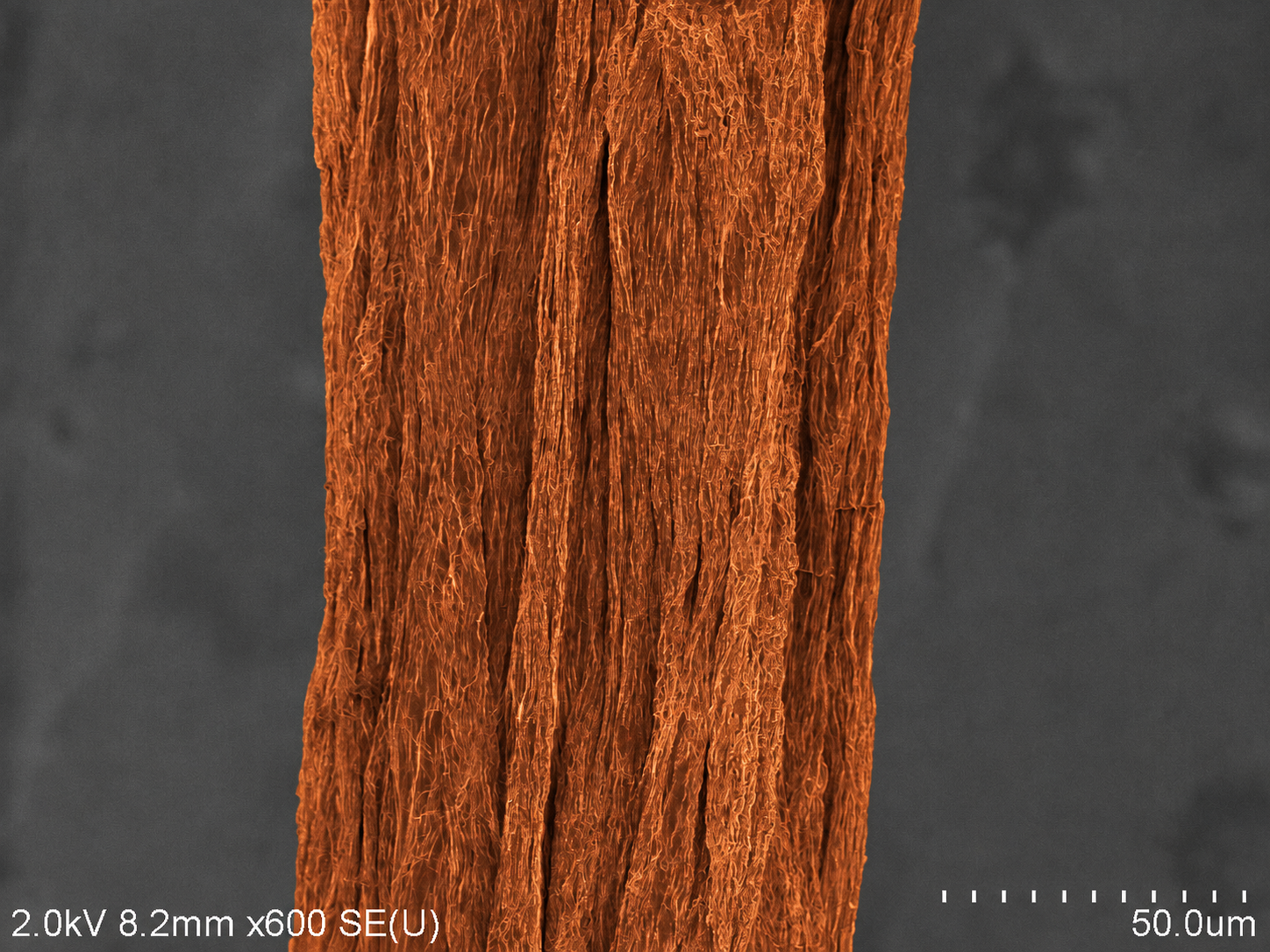
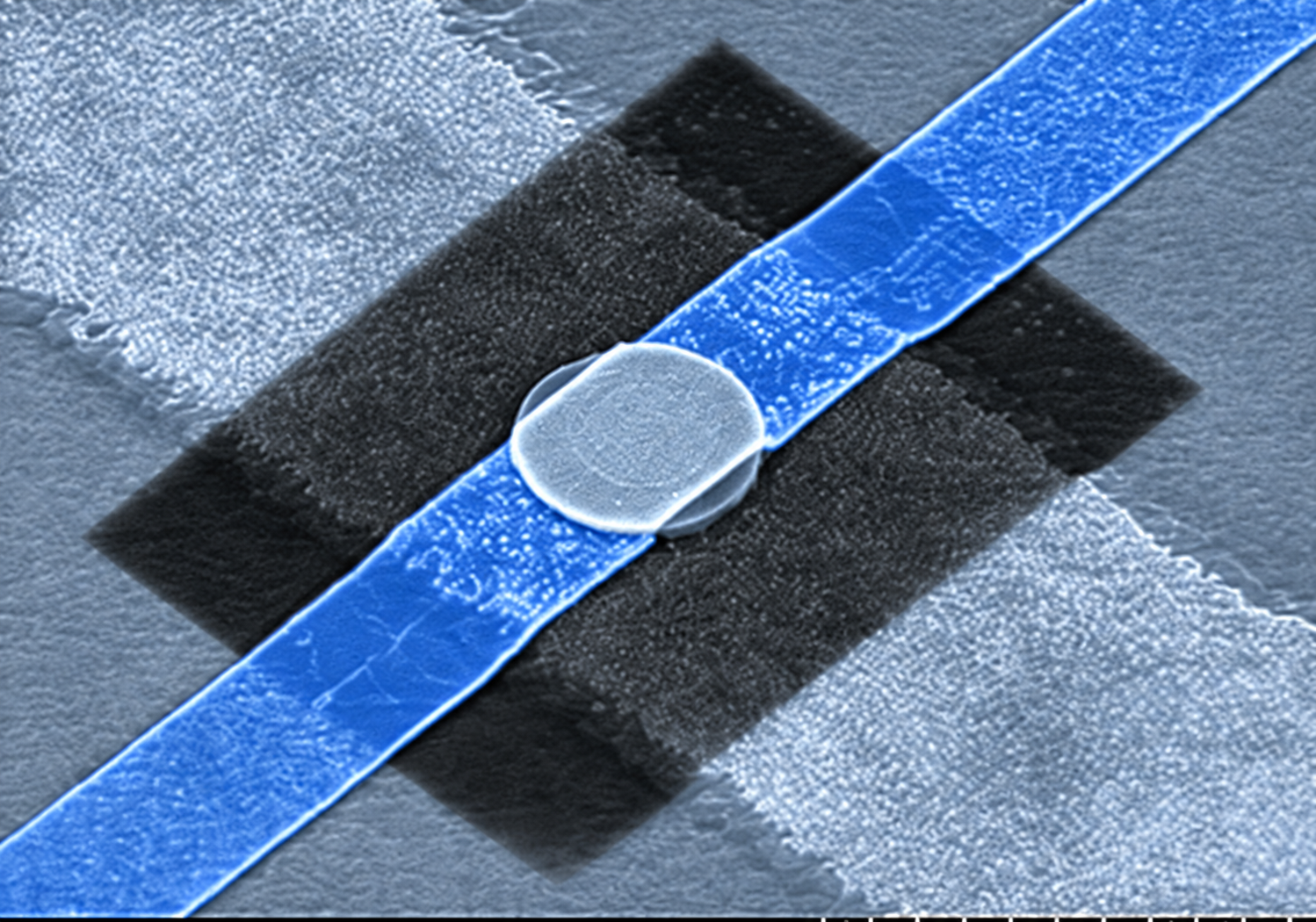
Advanced 2D Materials
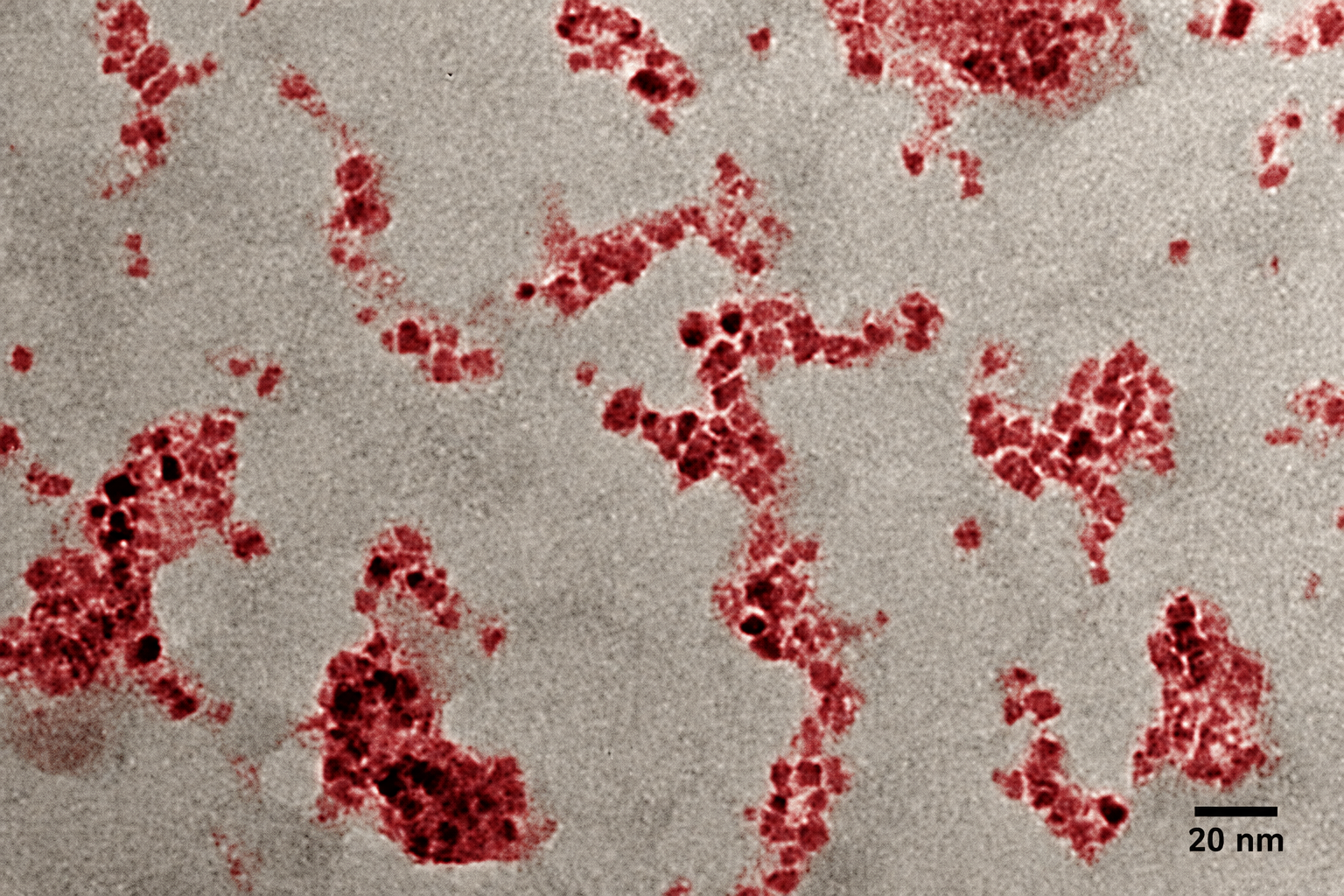
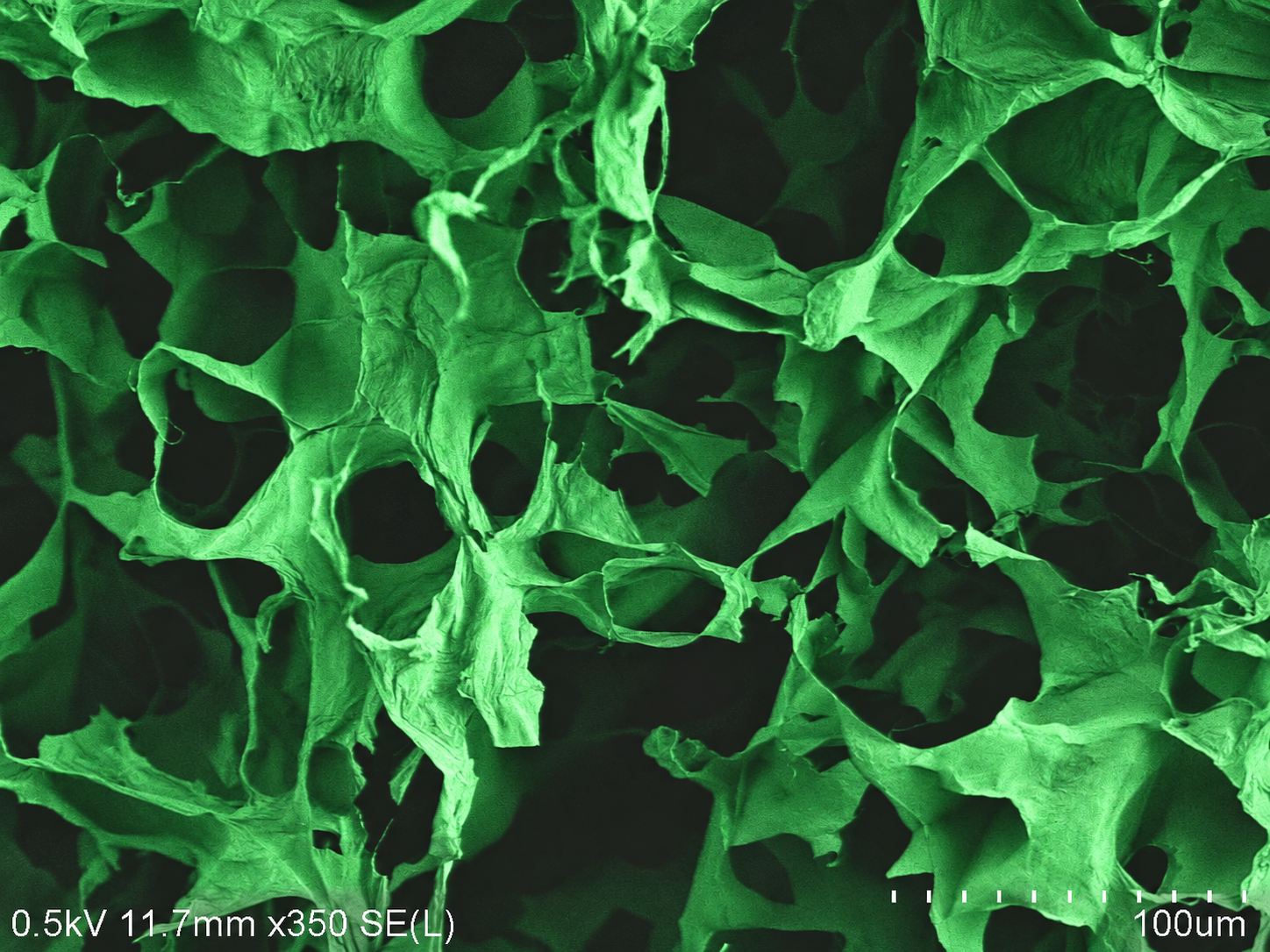
Engineering, development and synthesis of two-dimensional materials, with attention to composition, surface chemistry and the interfaces that govern their functional behaviour.
Material platforms
Graphene and graphene oxide, transition-metal dichalcogenides (TMDs), germanane and MXenes form a family of platforms for application-led materials research. Selection is guided by the required electronic, optical, electrochemical or interfacial properties.
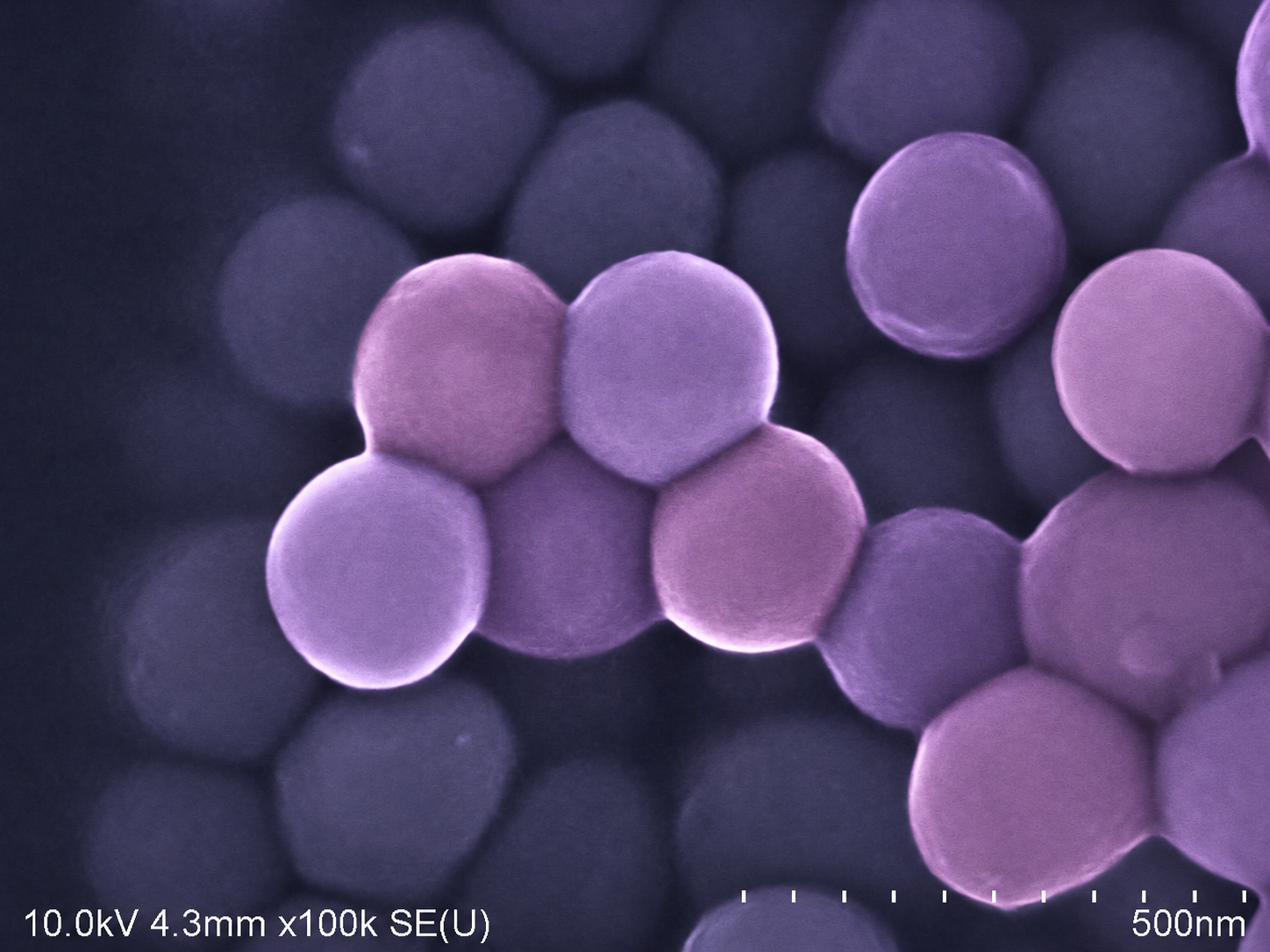
Self-assembled particles & molecular systems
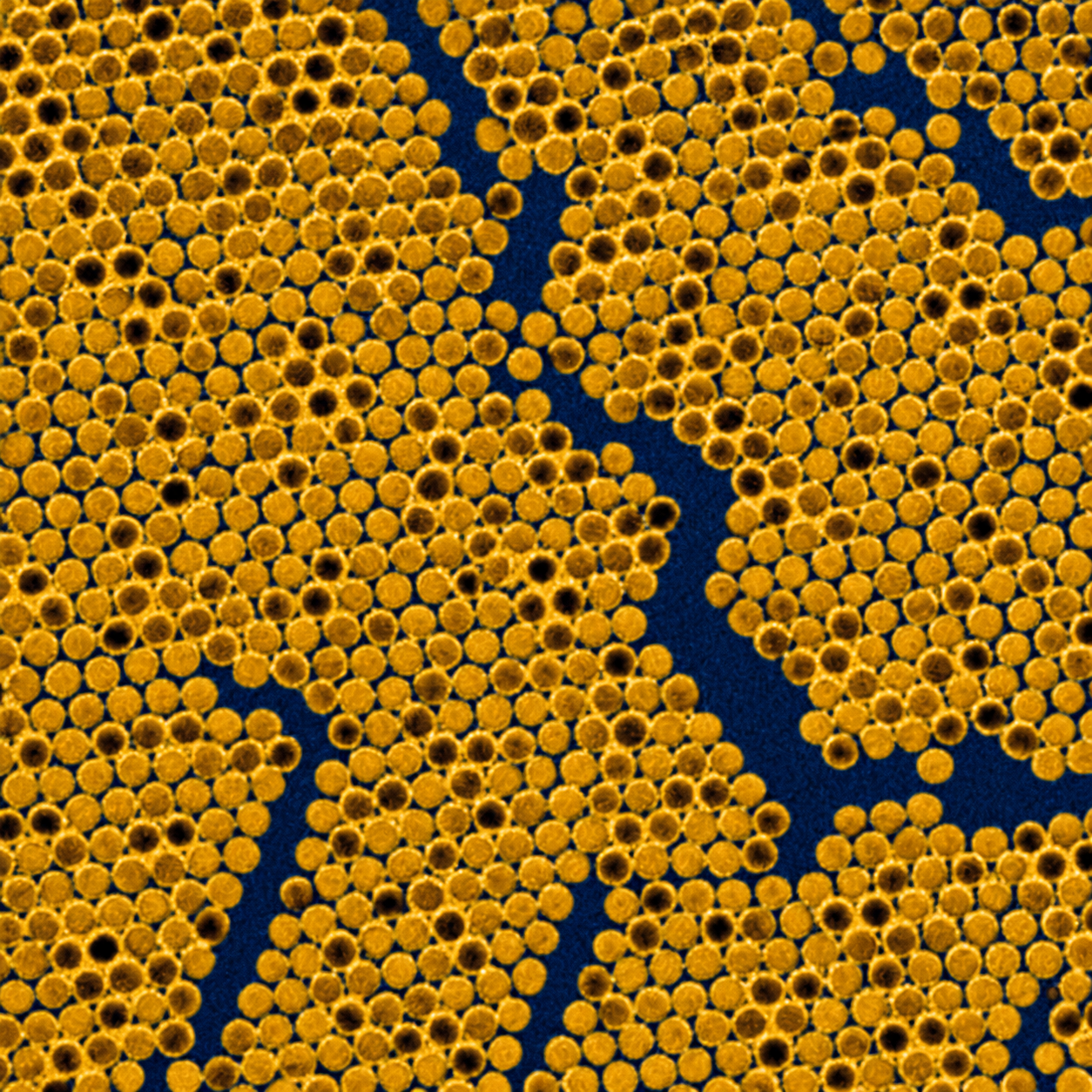
We develop self-assembled particles and molecular systems for photonics, biomedical, sensing and quantum applications. Material design connects molecular organisation, particle interactions and surface functionalisation with the properties required by the application.
Engineered Oxides & Functional Materials
High-purity oxide nanoparticles and composition-engineered inorganic materials, developed around the requirements of functional formulations and dielectric applications.
High-purity oxide platforms
Silica, alumina, titania and zirconia provide the starting material families. Purity requirements, particle characteristics, surface chemistry and dispersion are considered in relation to the intended formulation and processing route.
Experience across industries
Over the years, our Advanced Materials group has contributed to projects across construction materials, recycling, extraction and purification, and the sensor industry. This experience connects materials development with the processing and performance needs of different industrial sectors.
From laboratory to pilot scale
Our facilities enable us to develop and fabricate materials at both laboratory and pilot-plant scale. We connect formulation and synthesis development with process definition, experimental validation and preparation for scale-up.
Engineered dielectric powders & polycrystalline materials
Composition engineering extends from high-purity oxides to solid solutions and deliberately doped dielectric powders. This creates a coherent development path toward polycrystalline ceramics, where chemistry, processing and microstructure must be considered together.
Our engineering contribution
As QUANTUMAT’s core materials department, we work closely with the Energy Storage and Quantum departments to translate their requirements into material compositions, structures and processing routes. Our contribution covers development planning, synthesis, fabrication, characterisation and integration.
Material composition, processing choices and measured performance are treated as a connected system, so that development decisions remain tied to the needs of the final application.
Material synthesis and manufacturing routes
We select and develop manufacturing routes according to the material chemistry, required properties, component geometry and intended function. Methods can include thin-film deposition, solid-state synthesis, sol–gel processing, powder processing and sintering, and additive manufacturing such as 3D printing.
Doping, solid-solution formation, interface control and microstructure engineering allow the material response to be tailored. We assess the resulting material or part through characterisation and iterate the process against the application requirements.
In-depth analysis and defect resolution
Characterisation capabilities accessible to the group and its research network allow us to investigate composition, crystal structure, phases, morphology and interfaces, alongside relevant functional properties. This supports the analysis of powders, bulk materials, components and devices.
We use this evidence to investigate structural and functional defects, relate them to processing or design choices, and develop corrective strategies. Numerical modelling specialists work with the experimental team to interpret observations, evaluate design options and guide process optimisation.
R&D laboratory and pilot-line engineering
We develop and fabricate materials from laboratory studies through pilot-plant trials. For clients moving towards large-scale production, we support the design and development of production lines, from process and workflow definition to equipment specification, selection and integration.
We accompany clients through scale-up by connecting material requirements, process parameters and production objectives. Support includes production-line design advice, commissioning planning and process development, with solutions adapted to the target material and manufacturing scale.
Collaborations & Partnerships
Materials development builds on collaboration with the Technical University of Crete in 2D material chemistry, surface functionalisation and hybrid nanocomposites.