
ENERGY STORAGE & 2.5D MATERIALS

2D-HEBAT
Silicon-based anode architectures for high-capacity, fast-charging lithium-ion batteries.
2D-HEBAT is a QUANTUMAT technology-development programme addressing battery performance through materials and electrode engineering. We develop 2.5D materials and electrode architectures through experimental research, connecting active-material properties, processing and interfaces with the requirements of practical battery cells.
Current development stage: TRL 4.
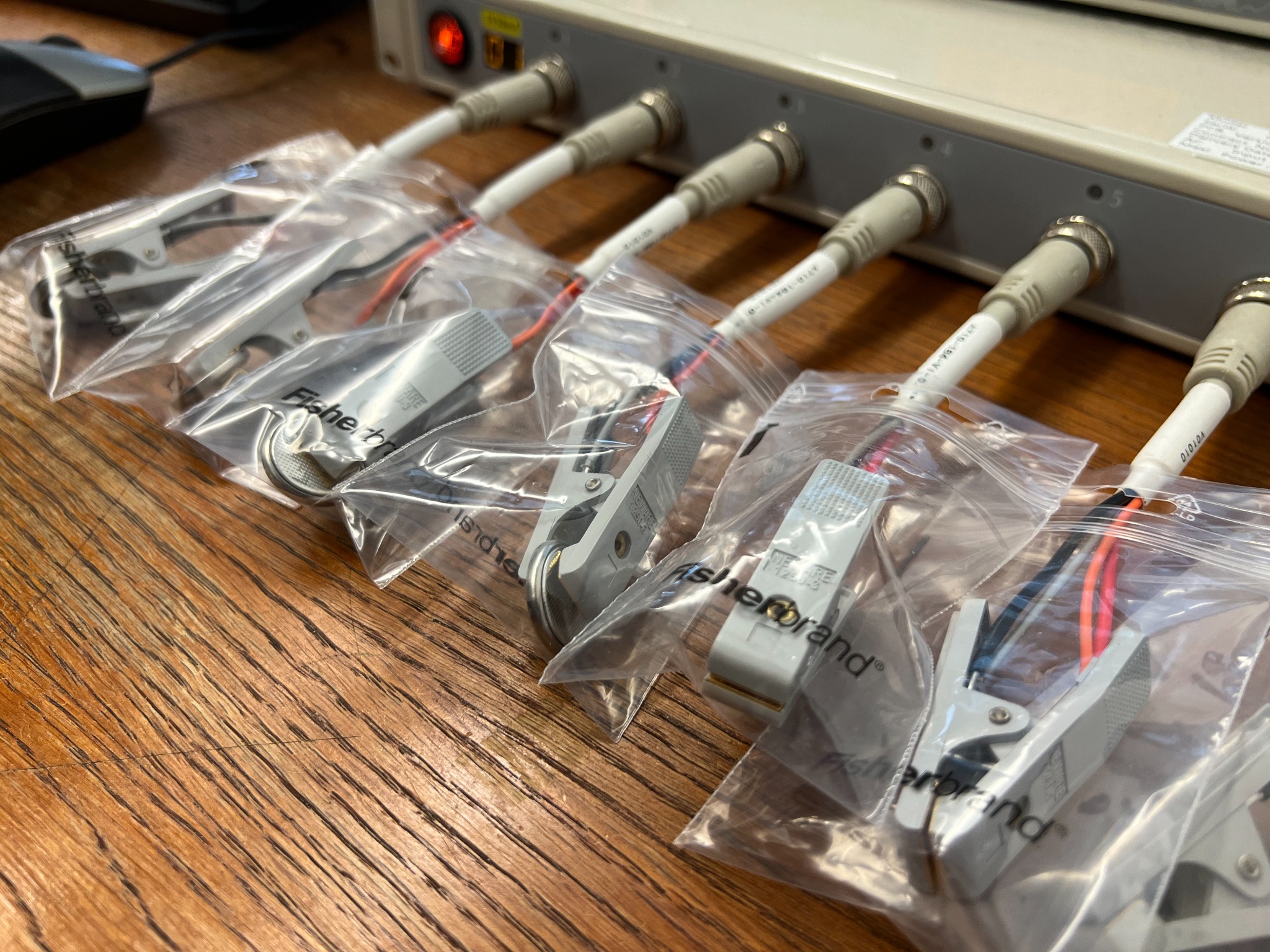
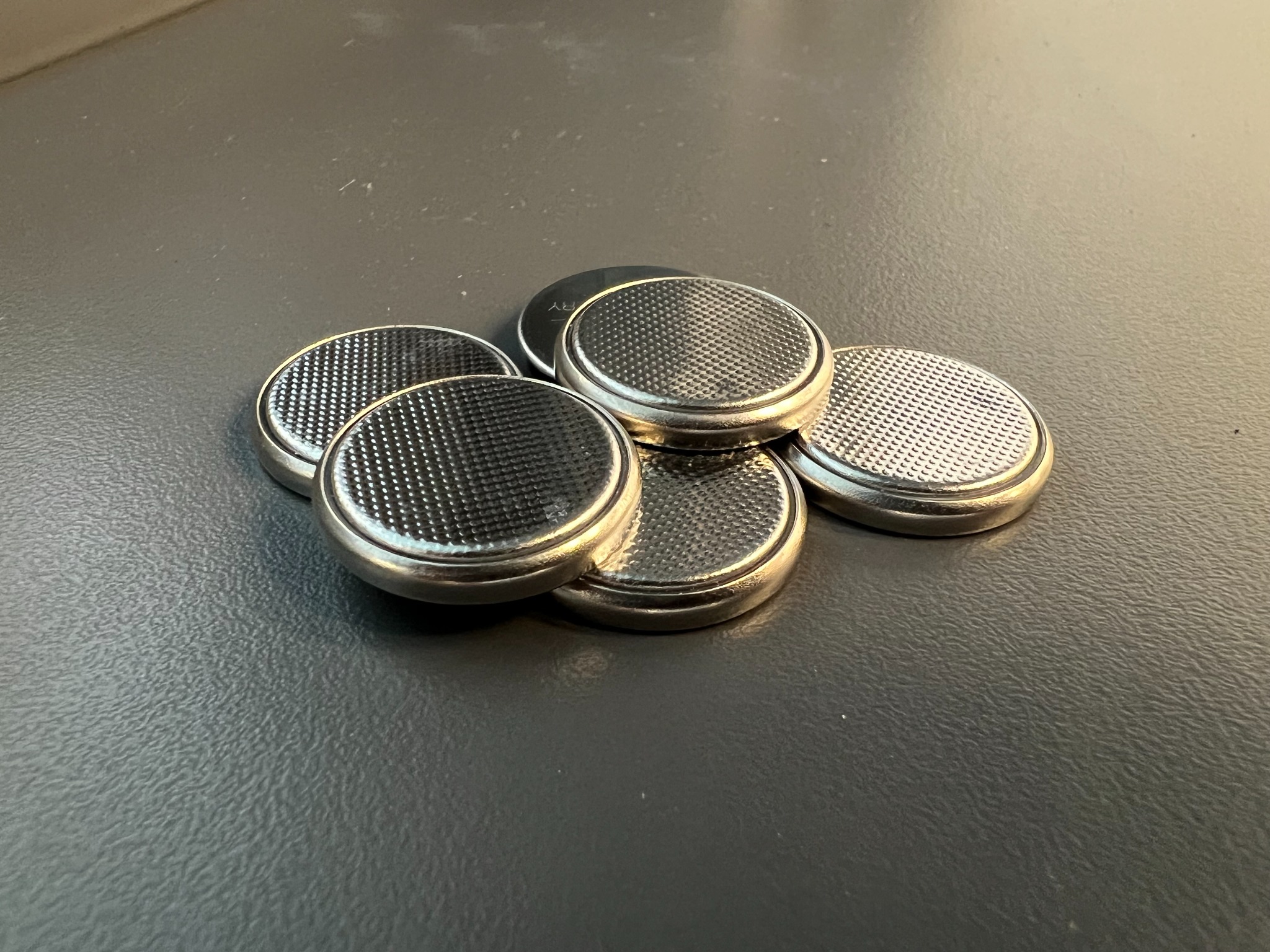
Experimental coin cells and two anode architectures form the basis of the programme.

TECHNOLOGY & PERFORMANCE
Materials designed around battery requirements
2D-HEBAT investigates silicon-based 2.5D structures, chemical preparation and electrode architecture. Development includes pre-lithiation, active-material loading and the selection of compatible binders and electrolytes.
1,400 mAh/g
Anode specific capacity
Reported capacity per gram of anode active material.
<20 min
Fast charging
Charging performance reported in the project presentation.
500 cycles
Cycling durability
Cycle-life figure reported in the project presentation.
Figures describe research-stage performance. Anode specific capacity is distinct from complete-cell energy density. Charging and cycling results depend on the test conditions and cell configuration. Technical data and measurement conditions can be discussed directly.

Experimental work that guides development
The programme combines materials preparation, electrode fabrication and cell assembly with electrochemical testing. Coin-cell experiments help compare architectures and guide further optimisation.
The next steps address pre-lithiation, higher active-material loading, and the balance between capacity, charging rate and cycling stability.
DEVELOPMENT ROADMAP
Progression toward practical cells
Current: TRL 4
Two anode architectures and experimental coin cells. Continued evaluation of capacity and charging behaviour.
Next: TRL 4–5
Optimise pre-lithiation and material loading. Develop pouch-cell prototypes and refine binders and electrolytes.
Planned: TRL 5–6
Industrial prototyping, battery packaging design and validation under demanding operating conditions.
Inside the development programme
APPLICATIONS & COLLABORATION
Battery development for UAV requirements
UAVs are the initial application focus, where battery mass, flight duration and charging time shape the design requirements. Aerospace and other battery applications form part of the longer-term development outlook.
Work with QUANTUMAT
We welcome discussions on active materials, binders and electrolytes, cell prototyping, manufacturing processes and application testing.
Experimental development
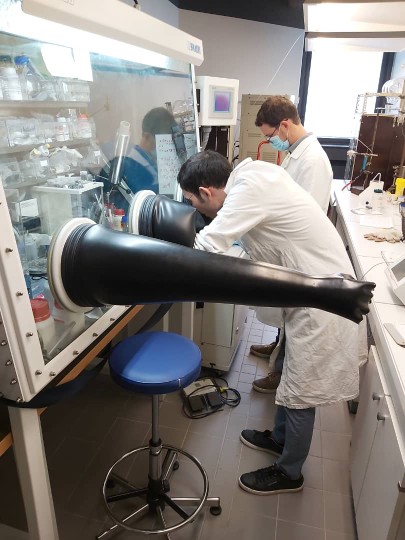

Preparing electrodes and assembling experimental cells to evaluate electrochemical behaviour and guide the next development steps.
Collaborations & Partnerships
Scientific collaborations supporting the development of 2D-HEBAT.

Sorbonne Université
Active materials development.

Technical University of Crete
Active materials development.

University of Groningen
Binder and electrolyte development.

Karlsruhe Institute of Technology (KIT)
High-energy cathodes and electrode micropatterning.
Documents & Publications
No battery documents or publications published yet.